Pages

Showing posts with label National association of realtors. Show all posts

July 10, 2015

Cleveland and Cincinnati top list as most affordable cities for millennials


Bloomberg recently released a report on the top ten most and least affordable cities in the country for millennials. Cleveland and Cincinnati made the cut for two of the top ten most affordable spots, clocking in at #5 and #8, respectively. Cities across the Midwest also made the list, including Detroit, Indianapolis, and St. Louis.

On the other hand, almost all of the least affordable cities were located on the west coast, with six of the top ten located in California. An article from Realtor Mag noted that the cities most attractive to young people are often the cities that are the furthest out of their price range.

You can see the full list below.

Most Affordable
  1. Detroit, Mich.
  2. Pittsburgh, Penn.
  3. Buffalo, NY
  4. Indianapolis, Ind.
  5. Cleveland, Ohio
  6. Kansas City, MO
  7. Memphis, Tenn.
  8. Cincinnati, Ohio
  9. Birmingham, Ala.
  10. St. Louis, MO
Least Affordable
  1. San Jose, Calif.
  2. San Francisco, Calif.
  3. Los Angeles, Calif.
  4. San Diego, Calif.
  5. Sacramento, Calif.
  6. New York, NY
  7. Seattle, Wash.
  8. Riverside, Calif.
  9. Washington, D.C.
  10. Boston, Mass.

May 6, 2015

Central Ohio Apartment Construction Skyrockets Alongside Rental Rates

The current market in Central Ohio is geared towards renters: last year, for the first time in two decades, more apartments were built than single family homes, at 3,037 and 2,903, respectively, according to The Columbus Dispatch. This stands in stark contrast to 2006 to 2012, during which time the number of apartments built was fewer than 5000, or about 833 a year. Percentage wise, the number of rental households in Central Ohio rose 8.7 percent between 2009 and 2013 while the number of owner-occupied households dropped 9.3 percent, according to the National Association of Realtors

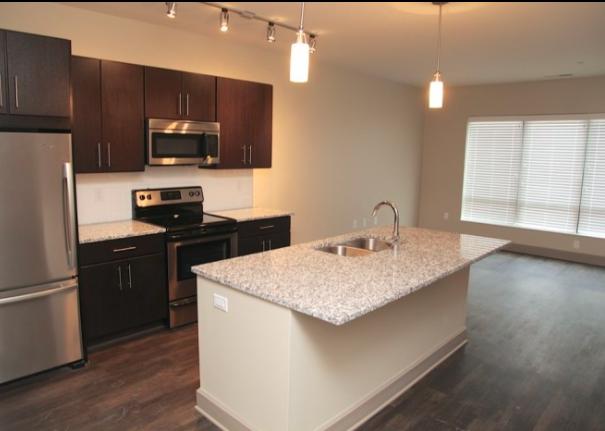
Part of this can be attributed to inadequate finances following the recession; part of it can be attributed it to changing preferences and demographics. Young people are getting married and starting families later in life; so too are they delaying buying their first home. On the other end of the spectrum, there is an increasing rental demand from empty nesters looking for low-mainitence lifestyles. Both cases have resulted in an increased spread of luxury apartment buildings offering things like granite countertops, walk in closets, high ceilings with crown molding, wood floors, and prime locations walking distance to restaurants  bars, shops, and parks. The Short North, Downtown, German Village, Victorian Village, Italian Village, and Brewery District are popular areas. Of course, this all comes at the expense of soaring rental rates. One bedrooms of this sort are rare for less than $1000 and two bedroom units can cost as much as $3000 per month. 


Aston Place is one of many newly constructed apartment complexes in the Short North

As a result, homeowners can find some strong incentives to buy, including historically low interest rates and tax incentives. Not to mention, when you buy a home, you benefit from building equity and property appreciation. You can update or modify your home as you please and don't have to abide by silly rules ("no candles"), and forget paying an extra $30/month for having a pet, and another $80 for parking your car. Use Realtor.com's Rent vs. Buy Calculator to see which option would make more financial sense for you, or contact me to see how I can help. 

Experts expect apartment construction to slow down within the coming year, as the best locations are purchased and developed. 


April 8, 2015

Housing's Supply Problem Exposed

You may already know that the current residential real estate market is suffering from a lack of supply. But just how serious is this issue, and what's causing it?

According to a recent CNBC article, The National Association of Realtors reported that the housing market was still underperforming in February. There are currently just less than 1.9 million homes for sale, which is less than last year and "well below current demand." Whereas the number of listings typically increases by 6 percent from January to February, the number of listings this year increased by less than 2 percent. Even foreclosures are down, reaching their lowest level last month in 8.5 years. Lack of supply results in increased prices: prices have risen 7.5 percent year over year, as the median home sale price as of Feburary was $202,600. Lawrence Yun, Chief Economist for the Realtors, considers these price gains "unhealthy." So, what's behind this persistently low supply?
  • Larger builders are gaining share over smaller builders, who don't have access to credit. Larger builders tend to cater more to higher-end buyers, not first-time homeowners, pricing this key demographic out of the market.
  • Relatedly, many people are choosing to rent instead of buy. For this reason, rental prices have increased sustainability and show no signs of stopping. In turn, renters are struggling to save enough money for a down payment.
  • Buyers are low on cash and are highly concerned with value following the recession. They want to feel as if they are getting a good deal, which is hard to do in light of increasing prices and fewer housing options. 
Peter Boockvar, managing director and Chief Market Analysis of The Lindsey Group, states that household growth and even higher rental rates will cause a nice rebound in the housing market, reaffirming that a slowdown in the pace of home price gains is much needed.

Now is a good time to sell, as sellers can take advantage of the recent price increases caused by the limited supply of listings. Visit my website and contact me to see how I can help. I am a full time Realtor with a lifetime of experience serving sellers (and buyers!) in Ohio.


September 8, 2014

The Average American Home: Bigger than Ever

In America, you've probably heard the phase, "bigger is better." This philosophy is manifested in U.S. home sizes, which have steadily increased over time. According to the Census Bureau, the average home size grew from 1,725 square feet in 1983 to 2,598 square feet in 2013--an increase of 50%!

Many trends explain this phenomenon. First, the wealthily have gotten wealthier, and are buying bigger homes to show for it. The market for homes 4,000 square feet or more has increased from 6.6% in 2005 to 9% in 2013. Homes between 3,000 and 4,000 square feet have increased even more--from 15.6 % to 21.7% over the same time period. Director of Economic Services for the National Association of Home Builders Stephan Melman states that people who have invested in the stock market have seen their money double since 2009. 

On another note, first-time homebuyers are finding it more difficult to buy homes, thanks to student debt and trouble getting mortgages. Because first-time homebuyers make up the majority of the market for small homes, the market for such homes (1400 square feet and less) has decreased from 9% in 2005 to only 4% in 2013. The average first-time homebuyer in 2013 was 31 years old according the National Association of Realtors. 

Third, people are demanding more from their homes. Buyers want home offices, play rooms, walk-in closets and oversized bathrooms. Parents want their children to each have their own room. For many, a one car garage will no longer suffice. Therefore, alongside the increase in home size, the number of rooms in the average home is increasing as well.

Another trend that helps explain the increase in home size involves the current rental market. Rental rates have increased since 2006 by roughly 20%---turning many homeowners into landlords to order to help pay off home mortgages. People who move into a larger home are more inclined to hang on to their previous home as a rental given their low mortgage rates. Glenn Kelman, CEO of the brokerage firm Redfin, points out that every home converted into a rental means one less home on the market, contributing to low inventory and limited sales growth.

If you are interested in buying a home, be it small or large, contact me to see how I can help. I work for all types of buyers, from first-time homeowners to empty nesters. Click here to view my featured listings.


August 22, 2014

Housing Market Update

Jim Weiker writes in The Columbus Dispatch that recent trends continue: home shortages, increased home prices, reduced time on the market, and declining home sales. Why is the imbalance between buyers and sellers so persistent? Weiker reports that roughly 20% of central Ohio homeowners still owe more than the value of their home.  Others are worried that their house will sell too quickly, that they won't have anywhere to live when it does sell, and that interest rates (despite being relatively low) are not as good as the ones they are currently sitting on. Another problem is minimal new home construction. According to Lawrence Yun, the chief economist with the National Association of REALTORS, claims that new-home construction needs to increase by at least 50 percent in order to create a balanced market. Is this market the new normal, or is it just facing a slow recovery? Columbus REALTORS reports in a recent article that the number of central Ohio homes and condos sold in July 2014 increased by 11.4% from June 2014, but is still slightly down from June 2013 (by 3.3%). Promisingly, inventory is up 5.5% from May 2013.  Unfortunately, price increases usurp inventory gains: the average sales price of a home rose by 9.1% since just this May.

Overall, it's impossible to predict the housing market. It seems that gains have been made in past couple of months, but that the market is not as healthy (as of June 2014) as it was one year ago (June 2013), when central Ohio sales were 3.3 percent higher (2,952 compared to 2,856), the median price was 3.8% lower ($159,400 compared to $165,500), and the average number of days on the market was 16.7% higher (72 compared to 60). Despite a market that tends to favor sellers, 100% of central Ohio REALTORS classify the housing market as moderate to strong, and expect it to remain so over the next six months, according the latest Housing Market Confidence Index.


May 28, 2014

How to Sell Your Home: Part 1


Before you list your home for sale, you should prepare your home so that it shows well to potential buyers. This includes improving your home in ways that do not involve capital investments (which you are unlikely to recover). Cosmetic improvements (painting your home, landscaping, etc) are a good place to start. You'll also want to de-clutter your home, which involves cleaning your home and putting away things that sit out and make a space look busier. If you have kitchen items that you store on top of the counter, for example, you can put them in cabinets or drawers instead. This will make the countertop appear larger and neater. It's okay to leave out a few pictures here and there, but it's best to put photos away too. Aside from taking up space, pictures inhibit buyers from imagining your home as their own.


Next, you should hire a REALTOR, which is a real estate agent who belongs to the National Association of Relators (N.A.R.). REALTORS abide by a code of ethics, have access to a broad range of learning and certification opportunities, and serve as community experts. Feel free to meet with multiple REALTORS to see who you feel most comfortable listing with. Ask important questions, such as "what services do you offer? What experience do you have with the area I live in? How will you price and market my home? What is your fee?" If you are selling a home in Central Ohio, contact me to set up an initial meeting! I have experience in many communities, including but not limited to Dublin, Hilliard, Powell, Upper Arlington, Westerville and Worthington. You can also find a REALTOR on Realtor.com Once you've chosen a REALTOR, she or he will work with you to set the list price. Naturally, sellers want to get the most money they can for their home. However, an overpriced home is the number one reason that home doesn't sell. The listing price should reflect many factors, including location, competitiveness of the housing market, economic conditions, and owner needs (do you need to sell your house in a month because you are moving, or can you afford to wait a bit longer until a more attractive offer comes in?). 

Your RELATOR may suggest further improvements or repairs that will help your home sell faster. Your REALTOR will then market your home, which entails listing it on the MLS, hosting open houses, sending out direct mailings, reaching out to other real estate agents who have potential buyers, taking photos and videos, etc. Ask your REALTOR to show you his or her marketing plan upon an initial meeting. How can you help? Provide your REALTOR with community information (amenities or sports leagues, for example) so he or she can better know the area. Keeping your home clean and tidy at all times is very important, since showings can occur last minute. Finally, leave the home during showings and open houses. Potential buyers stay longer in homes when the current owners are not present. 

Read "How to Sell Your Home: Part 2" next week to find out how to evaluate offers and make it to the closing table! Click on the video below for more details on how to prepare your home to sell.


January 20, 2014

Predictions of the 2014 Housing Market

An article published by Realtor.com discusses five trends that experts predict to see this year:

1) Stable Inventory. 2013 was noted for its historically low inventory. In previous months, inventory gradually increased, although average age of inventory is still lower (down 11% in 2013), illustrating the fact that homes are selling faster than they were in 2012.

2) Positive Equity. Increased home prices helped 25 million homeowners regain positive equity status during the second quarter of 2013. Median list price for homes in October rose 7.57 percent above that of October 2012. Home prices are expected to continue increasing in 2014, which is good news for the 7.1 million homes still in negative equity (as of the second quarter of 2013).

3) Fewer Foreclosures. Foreclosure inventory has dropped to multi-year lows, indicating that foreclosures will have a minimal impact on the 2014 housing market. In fact, September 2013 marked the 36th consecutive month with a year-over-year decrease in foreclosure activity. 

4) Increased Mortgage Rates. Even though mortgage rates have already increased 100 basis points in 2013, they are nonetheless expected to rise. Janet Yellen, the chairman-designate of the Federal Reserve, pledges to continue the policies of Ben Bernanke, including keeping mortgage rates low by buying blocks of mortgage-backed securities.

5) Less-Afforable Homes. Increased home prices have outpaced increased income, resulting in the lowest Home Affordability Index in five years (as published by the National Association of Realtors).

While some of these patterns are favorable and others are not, it is important to remember that they are only speculative. The real estate market changes every day, alongside changes in the general economy. Keep up with my blog in order to stay informed of real estate market trends!


August 16, 2013

Student Debt Hindering First-Time Homebuyers


Kenneth Harney wrote for The Columbus Dispatch that student debt is impeding first-time homebuyers. This group traditionally accounted for 40% of home purchases, but only reached 28% in May 2013, according to the National Association of Realtors. The lack of first-time homebuyers creates a domino effect on the housing market: no one is there to buy starter homes, those who currently live in starter homes and wish to move to bigger homes have no buyers, and thus people in even bigger homes likewise have no buyers. The Wisconsin Institute conducted a research study on the matter. The rate of home-ownership among people paying off student loans is 36% lower than that of those with no student debt. Other factors pushing first-time homebuyers out of the market are 20% down payments for conventional loans, persistent negative equity problems, and competition from cash buyers with no financing contingencies.  While some people think renting is the answer, the true problem lies with the elevated costs of higher education.